| |||||||||
Who is the author here?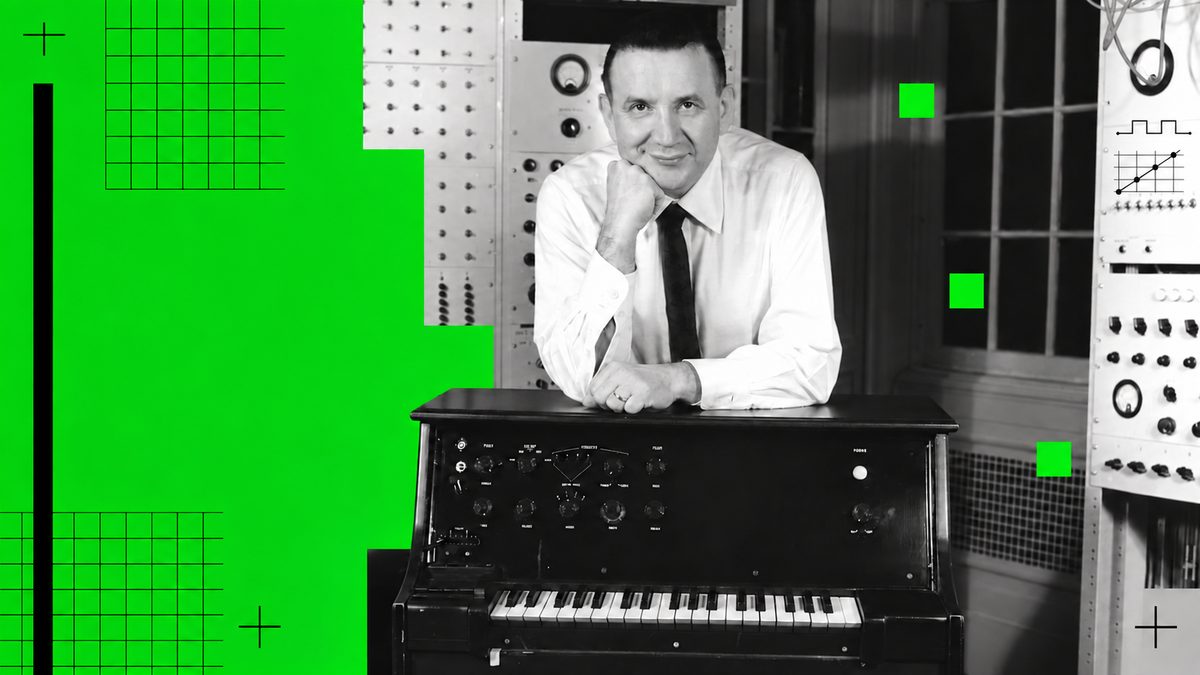 Raymond Scott and his Clavivox - the keyboard instrument he built before the Electronium. Hi, This is the first letter from node.music. Here is how it works: every two weeks or so, what went up on the site, a few things from the research that did not make it onto the site, and what to read if you want to go further. This time - two nodes, two years apart, and one question they both keep asking: who is the author here? | |||||||||
| |||||||||
1957 // Warsaw Polish Radio Experimental StudioIn the Warsaw studio the composer came in with an idea and left without touching a tape machine: cutting and splicing was the staff engineer's job. Penderecki, for one, was scared of the voltage and left almost all of Psalmus to the man at the desk. So whose piece is it? In thirty years the studio never closed that question. Meanwhile the engineer who cut everyone's tape started building pieces of his own out of the offcuts - no musical training, just what was left on the control-room floor. What came of it, and why he refused a computer to the end of his life -
| |||||||||
1959 // New York ElectroniumYou have heard Raymond Scott. Everyone has: for twenty years his tunes ran under Bugs Bunny and Daffy Duck. What almost nobody heard is what he did next - ten years alone in a basement workshop, building a machine that composes on its own: it has no keyboard, the composer only presses a button and the machine answers with a phrase - press again and it goes faster, slower, or into a different rhythm. Scott called it a duet, and he was not joking: he gave the machine equal billing. Motown ordered one of its own - to spec, for serious money - and put Scott on staff. And then - nothing. Not a single note recorded on it was ever released. Why, and how the machine finally got heard in 2017, twenty-three years after Scott died -
| |||||||||
Four things from the research that did not fit on the site.
| |||||||||
| |||||||||
Three things to read after this letter:
The full list is at nodemusic.cc/sources. | |||||||||
Next letter - with the next nodes. Katerina |
This issue already went out to subscribers. The next one arrives by email - one or two letters a month, nothing else.
[Subscribe]